Serving Jersey Shore, Middletown, Rumson, Manasquan, Brick, Colts Neck, Howell, Holmdel
Job Stories
Job Stories
Cold Drafty Rooms, Attic Storage & Insulation in Fair Haven, NJ
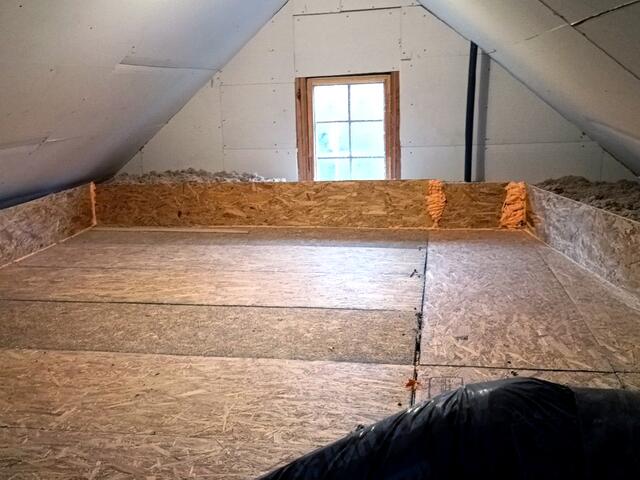
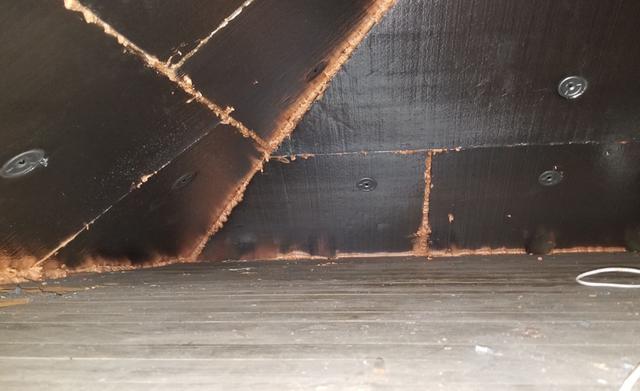
In Fair Haven, NJ, a homeowner was dealing with cold rooms, inadequate attic insulation, and a shortage of storage space. After inspection, we found that conditioned air was leaking into the attic, leading to higher energy bills. We fixed this by insulating the adjoining walls using SilverGlo foam boards and sealing them with orange ZypFoam. Additionally, we sealed the attic floor with ZypFoam and created retaining walls to contain TruSoft cellulose insulation. To finish, we installed SilverGlo foam boards in the attic storage area, covered them with wooden planks, screwed the wooden planks to the floor and sealed the seams with ZypFoam. As a result, the homeowner now enjoys a more comfortable and energy-efficient home with attic storage space.
Leaky Uninsulated Attic Pull Down Stairs in Fair Haven, NJ
While inspecting an attic in Fair Haven, NJ, we found that the uninsulated pull-down staircase was leaking significant amounts of air, causing energy loss. This air leakage leads to cold, drafty rooms that are hard to heat, increases overall home air leakage, and raises heating and cooling costs. The homeowner wanted additional storage space, so we installed 4-inch SilverGlo insulation boards on the attic floor and added wooden decking over the insulation to improve the floor's energy efficiency. We also sealed and tightened the entrance framing to ensure proper weather stripping. Finally, we installed a 4-inch thick David Lewis Hatch Cover, which is tightly air-sealed, making the home more energy-efficient, less drafty, easier to heat, and helping to lower fuel and electric bills.
Fair Haven, NJ Attic Upgraded to SuperDeck with Proper Insulation and Air Sealing
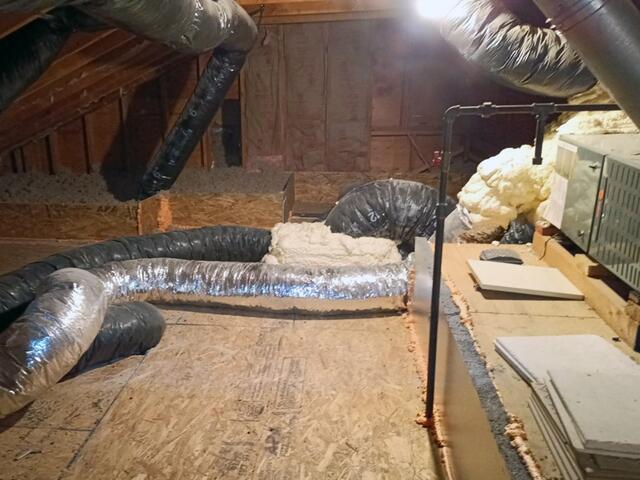
A homeowner in Fair Haven, NJ, wanted to convert their attic into usable storage while maintaining insulation performance, improving comfort, and lowering energy bills. We installed our SuperDeck system, providing sturdy storage space while sealing the attic and ductwork. Retaining walls were added to the deck, allowing us to blow in an optimal R-60 value of TruSoft cellulose insulation—boosting comfort, maximizing storage, and reducing energy costs.
Leaky Attic Causing Comfort and Energy Issues in Fair Haven, NJ
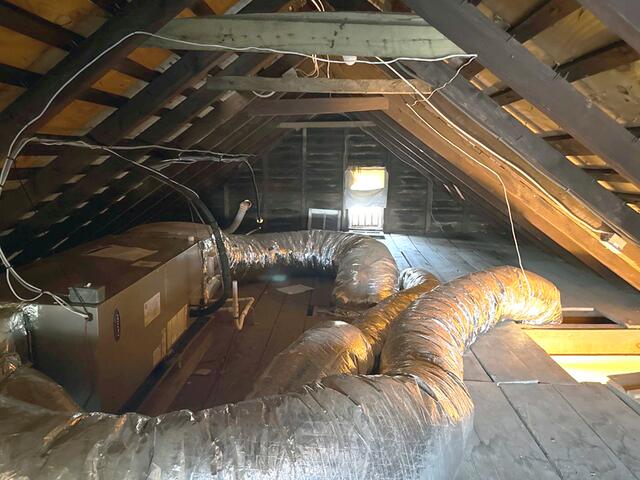
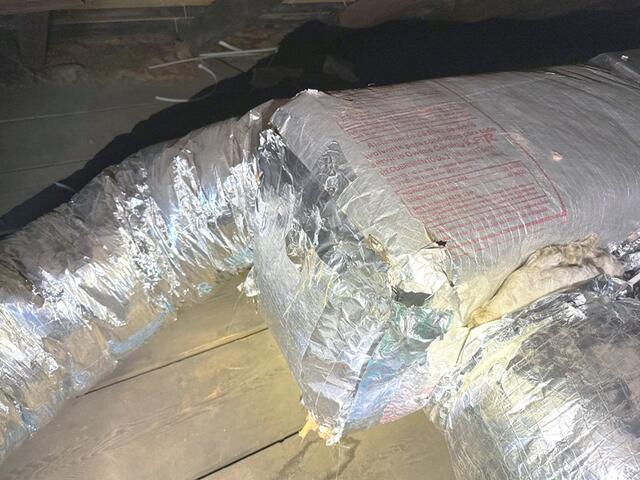
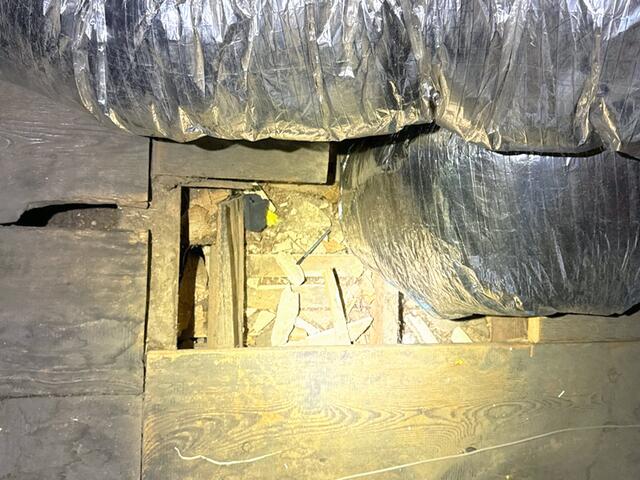
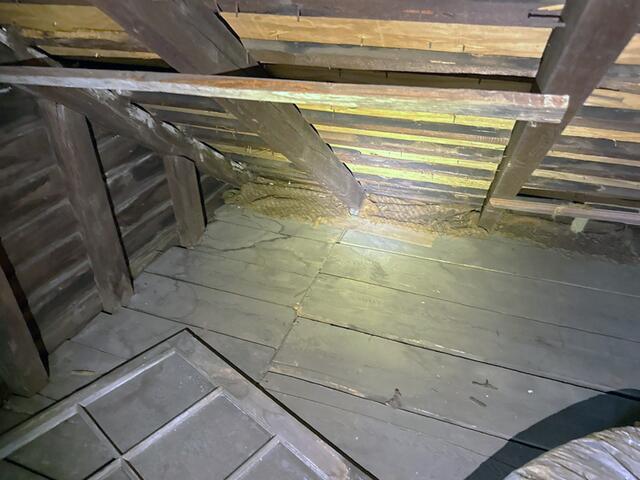
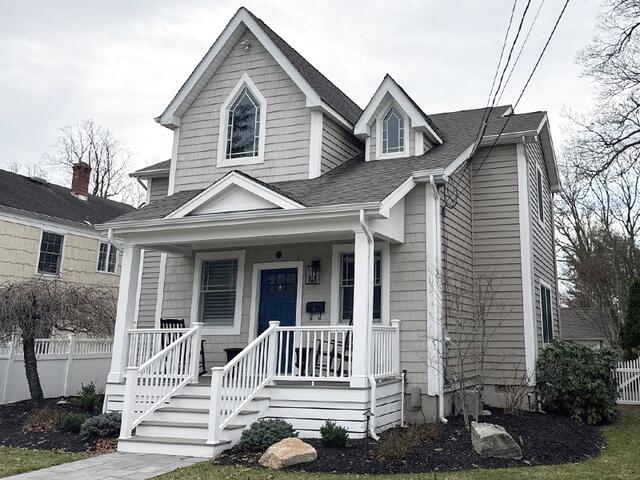
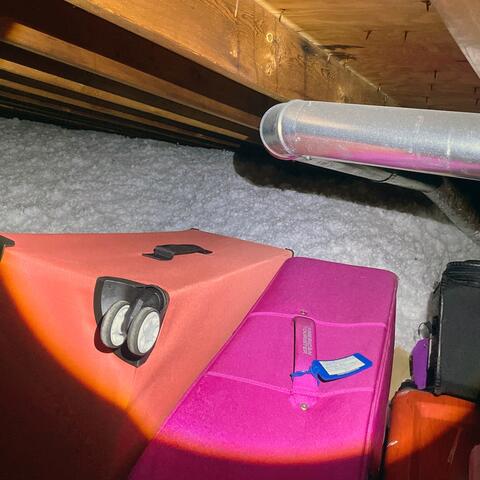
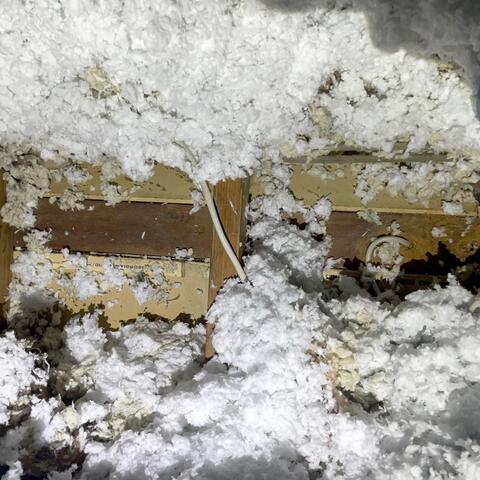
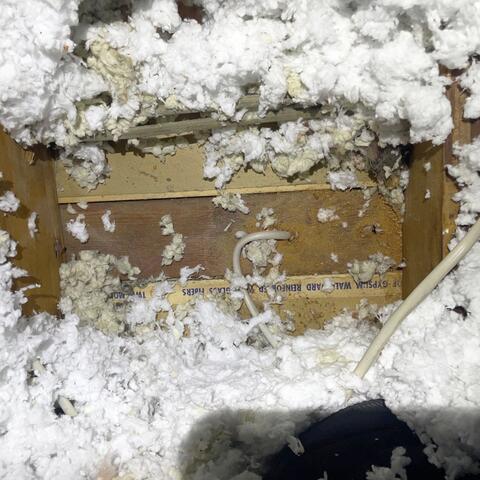
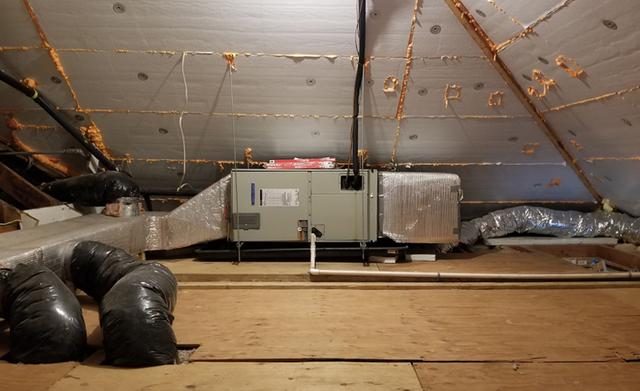
A small attic in Fair Haven, NJ may look fine at first glance, but during our free home evaluation we discovered significant issues. The attic was leaky and lacked adequate insulation, allowing conditioned air to escape. The main duct trunks were also leaking, and the connections where the ducts meet the vents were not properly air sealed. In addition, poor ventilation and excess moisture have caused wood deterioration in the attic. The soffits were packed with insulation, blocking natural airflow and increasing the risk of mold and further damage. With no proper air sealing or insulation, this attic is creating uncomfortable indoor temperatures and wasting energy—ultimately driving up utility costs for the homeowner.
Adjacent Wall Insulation Issues Causing High Energy Bills & Condensation in Fair Haven, NJ
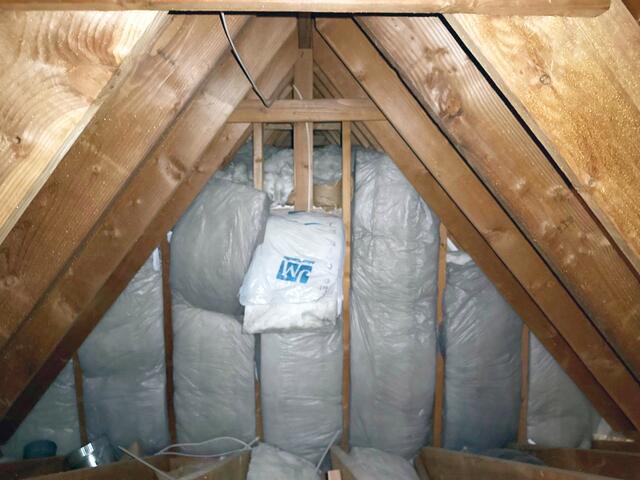
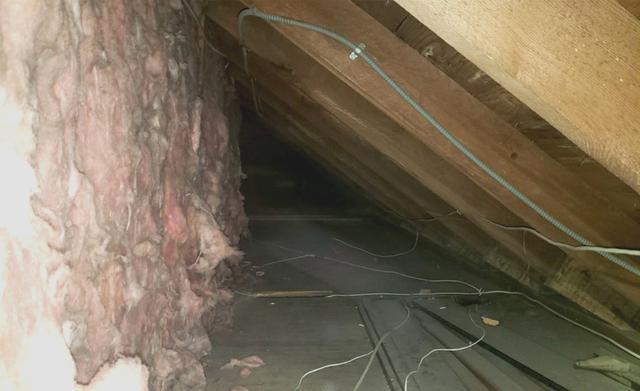
This home in Fair Haven, NJ is experiencing higher energy bills due to a poorly insulated porch overhang, lack of attic air sealing, and insufficient insulation. In the attic, we also found an adjacent wall with plastic-wrapped fiberglass that was causing condensation, along with an unsealed “devil’s triangle” above it. The solution is to remove the existing insulation, install rigid foam boards on the adjacent wall, and seal it with foam sealant, then properly air seal and insulate the devil’s triangle with blown-in cellulose. These improvements will prevent conditioned air from escaping into the attic and stop attic air from entering the living space. Completing the attic with full air sealing, blown-in insulation, and properly insulating the porch overhang will improve comfort, reduce air leakage, and lower energy costs.
Poorly Air Sealed Attic Causing High Energy Bills in Fair Haven, NJ
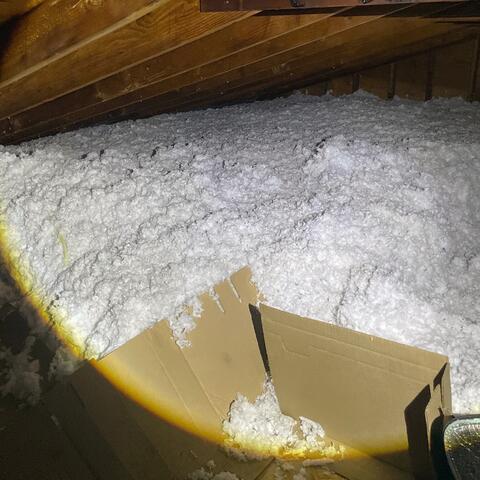
During our free home evaluation in Fair Haven, NJ, we inspected the attic after the homeowner reported year-round comfort issues. We found blown-in fiberglass insulation, cardboard being used as retaining walls, lacking proper attic decking for storage, and, most importantly, an attic that had never been properly air sealed. Conditioned air was escaping through top plates, wall plates, cracks, gaps, holes and other penetrations, wasting energy and making it harder to keep the home comfortable. We can transform this attic by properly air sealing it, upgrading the insulation with blown-in cellulose to the recommended R-value, and installing attic decking with sturdy wooden retaining dams to provide safe, usable storage. The result is a more comfortable, energy-efficient home with lower utility bills year-round. If your home is uncomfortable or your energy bills are too high, contact us today for a FREE home evaluation.
Insulation Needed for Attached Garage Interior Wall in Little Silver, NJ
In Little Silver, NJ, a homeowner was struggling with uncomfortable second-floor rooms. We found that the interior wall between the attached garage and living space had inadequate insulation. This poor insulation allowed conditioned air to escape into the attic, while hot or cold attic air seeped into the home, causing the second floor to become hot in summer and drafty in winter. This is a common issue in homes with attached garages, where homeowners unknowingly end up paying to condition their garage attic. If you’re seeking improved comfort and lower energy bills, contact us today—we can help.
Little Silver, NJ Wall Insulation Upgrade with Dense Packing to Eliminate Gaps
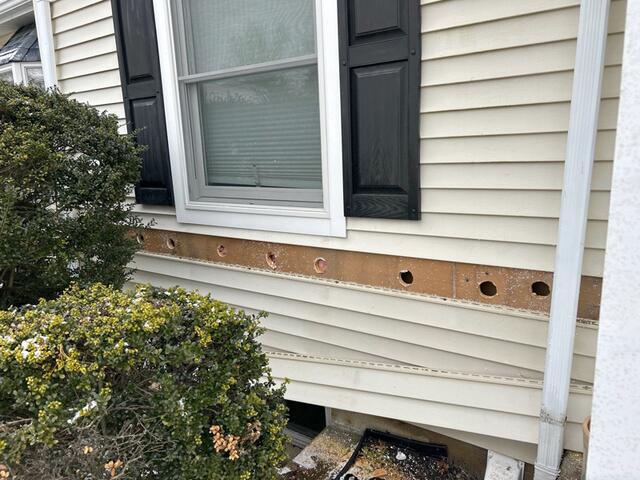
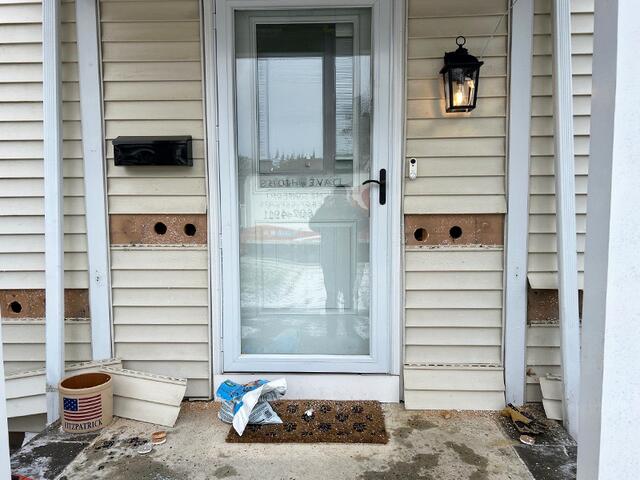
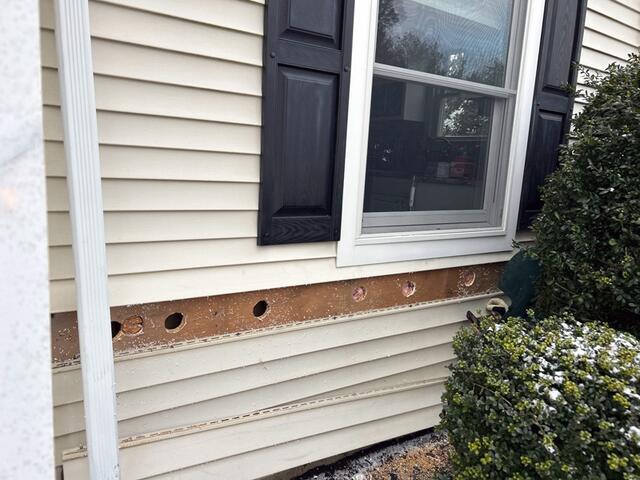
In Little Silver, NJ, this homeowner had insulation gaps in their walls that led to cold rooms in the winter and hot rooms in the summer. We improved the home by reducing air infiltration, increasing thermal performance, and controlling moisture. This helps keep conditioned air inside where it belongs, protected from outside temperatures. By removing sections of siding and drilling small access holes, we were able to dense-pack cellulose insulation into the wall cavities, filling all gaps. Afterward, we sealed the holes and reinstalled the siding so it looks like we were never there. The result is a more comfortable home with lower energy bills.
Cold Floors & Humidity from a Vented Crawl Space? Here's the Fix
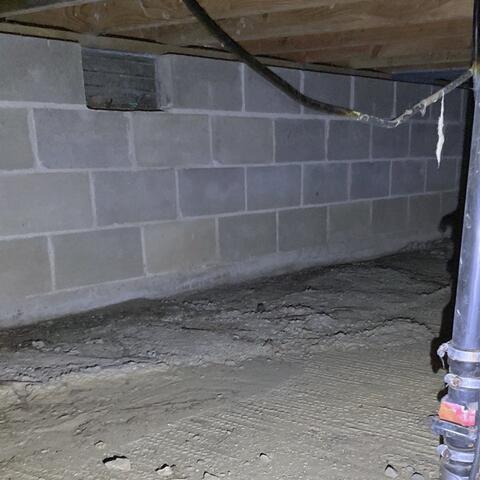
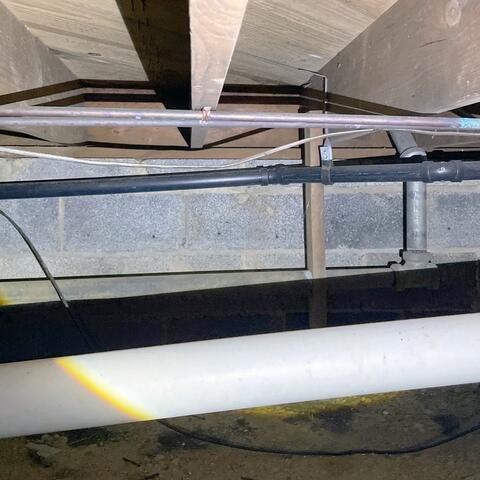
This Little Silver, NJ homeowner was dealing with cold floors in the winter and excessive heat and humidity entering their vented crawl space during the summer. Left untreated, these conditions can lead to moisture problems, mold growth, wood rot, uncomfortable rooms, and poor indoor air quality. Our solution is to fully encapsulate the crawl space with a durable vapor barrier, install rigid foam boards with a radiant barrier on the foundation walls, seal the crawl space vents with the same rigid foam boards, and spray foam the rim joists and sill plate to stop air leaks. These improvements help keep the crawl space dry, improve energy efficiency, eliminate cold floors, and create a healthier, more comfortable home. We can identify these hidden issues during our free home evaluation. Call us today, We Fix Uncomfortable Homes!
Super Attic and Kneewalls in Red Bank, NJ
A homeowner in Red Bank, NJ had a bedroom that was too cold in the winter and too hot in the summer. They also had other rooms in the house that were uncomfortably cold and drafty or hot depending on the season.
Our team inspected the owner’s attic and found older fiberglass insulation with a complex Kneewall system. The attic Kneewall and other Kneewall that wrapped around two rooms were completely lacking the proper insulation.
We first sealed the rim joists in both Kneewalls by using spray foam to eliminate the outside air from leaking into the rooms or house. Our SilverGlo foam insulation is then installed under the rafters up the Kneewall and sealed at the seams with our orange ZypFoam sealant. The purpose of our SilverGlo foam insulation is to reflect the roofs heat out during the summer and house heat back in during the winter.
After finishing the Kneewalls our team moved back into the main attic area to spray foam the rim joists. Then we installed our Foamax insulation boards on the underside of the roof deck to create a thermal barrier. Using our orange ZypFoam sealant our crew sealed the gaps and seems of the Foamax insulation and air sealed the attic. Finally we dense pack behind the Foamax, blowing-in our TruSoft Cellulose insulation in between the joist bay walls.
Our customer now enjoys a comfortable house and lower fuel/electric bills.
Total Job Stories: 193
our service area
We serve the following areas
- Allenhurst
- Allenwood
- Asbury Park
- Atlantic Highlands
- Avon By The Sea
- Belmar
- Bradley Beach
- Brick
- Brielle
- Colts Neck
- Deal
- Eatontown
- Fair Haven
- Farmingdale
- Fort Monmouth
- Highlands
- Holmdel
- Howell
- Leonardo
- Lincroft
- Little Silver
- Long Branch
- Manasquan
- Mantoloking
- Middletown
- Monmouth Beach
- Neptune
- Oakhurst
- Ocean Grove
- Oceanport
- Point Pleasant Beach
- Red Bank
- Rumson
- Sea Girt
- Shrewsbury
- Spring Lake
- Toms River
- West Long Branch